






































Secure payments aren’t abstract technology: they are practical choices you can apply today. This article gives concrete solutions — virtual cards, spending limits, strong authentication and transaction monitoring — explained clearly. When you buy software or subscriptions (for example from Licensgo), these measures lower fraud risk and make refunds and disputes easier to manage.
1What you'll get
There are three practical layers you should combine: payment-layer controls (virtual cards, per-transaction limits), authentication (3D Secure, two-factor authentication) and endpoint protection (antivirus and antimalware on your device). Combining them reduces both accidental exposure and targeted fraud.
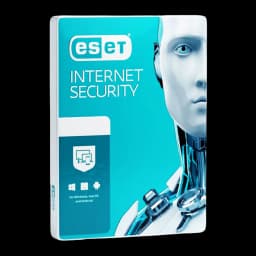
For endpoint protection, consider modern antivirus solutions that block phishing and credential-stealing malware; compare the options in our practical comparison of the top 5 antivirus products for 2026 and look at products such as ESET NOD32 Antivirus or Norton 360 Deluxe.
2Step 1 — set up and use a virtual card
A virtual card (virtual PAN) gives a distinct number you can create from your bank app or payment provider. Use it for single purchases or recurring services you might want to cancel without exposing your main card.
- create one for a single transaction;
- set a maximum limit close to the expected amount;
- choose a short validity period (one or a few transactions).
Use a virtual card for trial subscriptions and marketplaces where you have limited trust.
3Step 2 — set limits and real-time alerts
Set low default limits for online payments and enable instant push or SMS notifications from your bank. Real-time alerts let you spot unexpected charges within seconds and act before a recurring fraud pattern forms.
- low daily and per-transaction limits;
- push notifications enabled for every transaction;
- keep receipts and emails in case of disputes.
4Step 3 — enable strong authentication
Always prefer merchants that support 3D Secure (the additional step during checkout) and use two-factor authentication (2FA) on email and payment accounts. 2FA with an authenticator app or hardware key is safer than SMS.
If a merchant asks to bypass 3D Secure, treat it as a red flag and avoid the purchase.
5Safe behaviours during online shopping
Avoid public Wi‑Fi for payments, do not store card details on unknown sites, and log out after completing purchases. Prefer well-known merchants and read reviews; for privacy controls and how to limit tracking at checkout, see our article Browser privacy: prevent tracking and fingerprinting.
Keep your devices updated, use antivirus that blocks phishing and malicious downloads, and consider a reliable backup solution for critical data.
- do not make payments over unsecured public networks;
- check the URL and whether 3D Secure is available;
- keep antivirus and backups active.
6Monitor transactions and act fast
Check statements weekly, enable transaction filtering in your banking app and freeze cards at the first sign of fraud. If malware or unusual CPU/network usage appears on your device, investigate immediately — malware can harvest credentials even with strong payment controls; see our top 5 antivirus comparison for 2026 for options.
When you subscribe to software or services, consider creating a dedicated virtual card and a dedicated email to make dispute handling simpler.
Set weekly calendar reminders to review recent transactions and receipts.